A Practical Guide to Vispring Mattresses: Materials, Craftsmanship, and Sleep Comfort
Exploring the artistry of Vispring, from natural materials to time-honed construction, and how these choices translate into a sleep experience that endures.
Published September 30, 2026
In an era of mass production and speedy economies, Vispring stands as a counterpoint: a brand whose mattresses are crafted by hand, where each layer tells a story of material choice, regional sourcing, and meticulous construction. This guide delves into the core components that distinguish Vispring from the crowded field of modern bedding, and it considers how natural latex, wool, cotton, and springs come together to shape contour, temperature regulation, and longevity.
Heritage and Craftsmanship
Vispring’s lineage is inseparable from a tradition of handcrafted comfort. Each mattress is assembled with a focus on enduring quality rather than short-term trend. The company’s approach blends artisanal techniques with scientific insights about sleep. The result is a product that feels at once timeless and responsive to modern sleep science.
In a world where automation dominates, Vispring emphasizes human hands: careful cutting, tufting, and finishing that ensure a mattress remains a benchmark of comfort across generations.
Materials at the Core
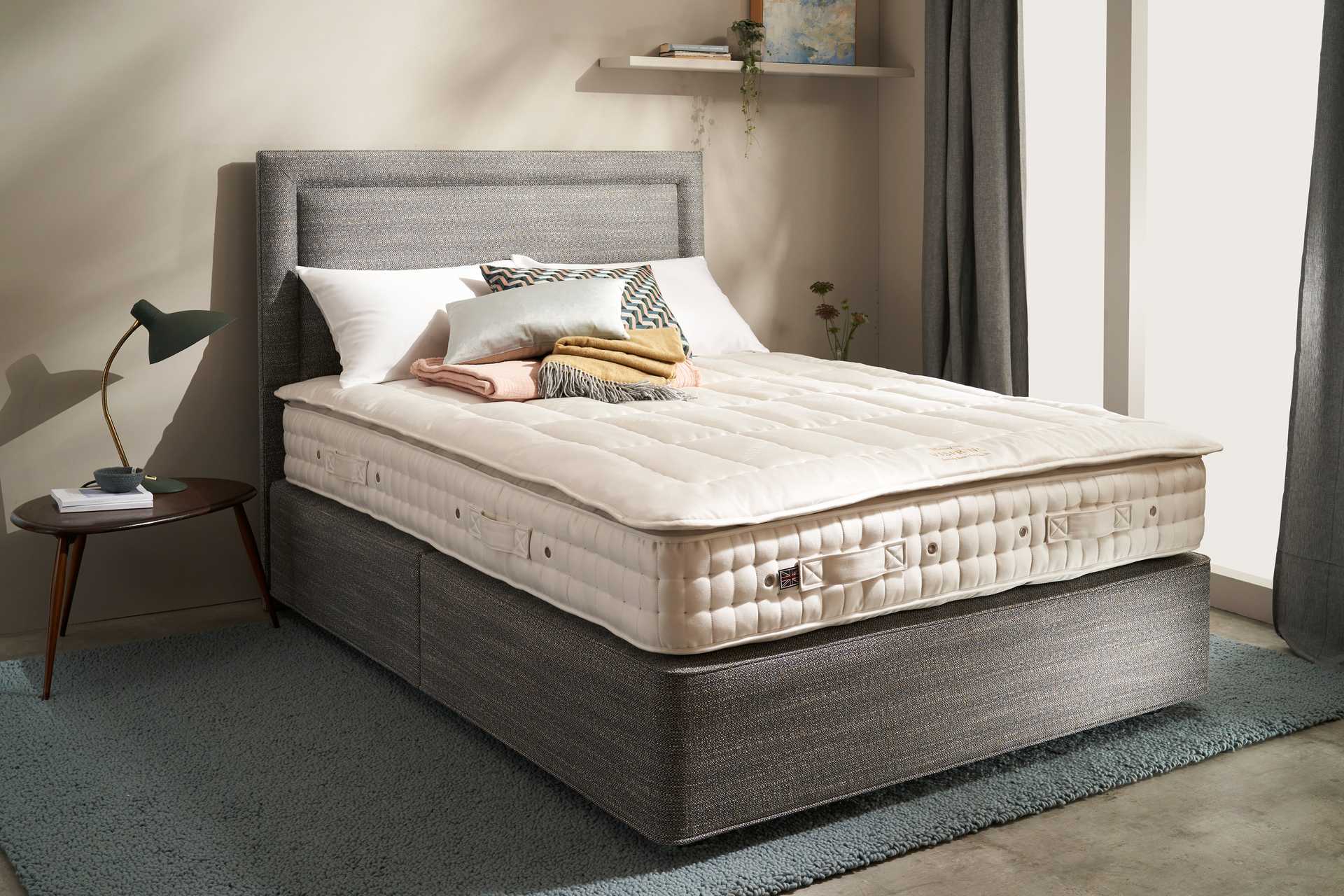
Vispring mattresses are renowned for natural materials chosen for their performance, sustainability, and tactile experience. Core components frequently include latex for gentle contouring, natural wool for temperature balance, cashmere or cotton for breathability, and hourglass or pocket springs for responsive support. The synergy among these elements creates a sleep surface that adapts to body shape while maintaining a cool, dry climate through the night.
The careful layering of materials in Vispring designs is not merely about softness; it is about the way materials interact to distribute pressure, promote spinal alignment, and regulate moisture—factors that influence how deeply and comfortably a person rests.
Construction Principles That Define Vispring
Three principles consistently emerge in Vispring’s construction philosophy: bespoke coil systems, natural fillings, and handcrafted precision. The company often relies on pocketed coil configurations that respond to individual body segments, complemented by layers of natural fillings that cradle the sleeper without sacrificing support. The result is a mattress that feels tailor-made, even as it is produced at scale for broader markets.
Beyond the visible layers lies a philosophy of longevity. Natural materials aged properly can outlast synthetic equivalents, given appropriate care. With Vispring, the emphasis on durability aligns with a broader narrative about sleep health—where a stable, well-supported surface supports healthier sleep patterns over time.
Material Deep Dive: How Each Component Impacts Sleep
Natural Latex
Latex contributes responsive comfort that adapts to pressure while maintaining a consistent feel across the sleeping surface. Natural latex can offer buoyant support and a level of contouring that minimizes motion transfer, supporting restful sleep for couples and restless sleepers alike.
Wool and Cotton
Wool fibers regulate temperature by absorbing and releasing moisture as conditions shift through the night. Combined with cotton’s breathability, these materials help create a cooler sleeping environment in warm seasons and a cozier feel in cooler months.
Pocket Springs
The activation and isolation properties of pocket springs provide targeted support, enabling different zones to respond to varying body weights and sleep positions. This design approach helps reduce partner disturbance while maintaining robust edge support.
Underside and Foundation
Vispring prioritizes a balanced foundation that prevents sagging and supports long-term structural integrity. The base layers work in concert with the comfort layers above to maintain alignment and reduce motion transfer.
A Practical Look at a Vispring Offering
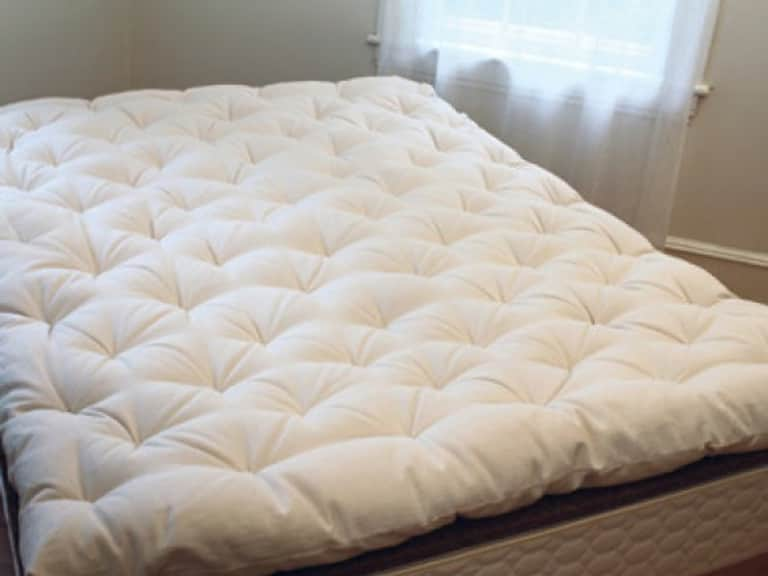
Among Vispring’s notable accessories, the Vispring Heaven Mattress Topper represents a convergence of luxury materials and functional design. This topper, filled with British fleece wool and soft-needled British wool, invites sleepers to experience a heightened sense of plushness while preserving the temperature-regulating benefits of natural fibers. It is a reminder that the sleep surface is not a single entity but a system of layers that can be tuned to individual preferences.
Vispring Heaven Mattress Topper
Indulge in a peaceful night’s sleep and awaken rejuvenated. Crafted with precision, this topper is luxuriously filled with British fleece wool and soft-needled British wool. Natural wool regulates body temperature and provides a comforting pressure-point relief.
Height: 2"
Craft and Care
A Vispring topper invites extended life to your mattress by adding a layer of breathable insulation. When cared for according to care instructions, toppers like Heaven can maintain loft, support, and temperature balance across seasons.
Care: follow manufacturer guidance for washing or spot-cleaning as appropriate.
Global Voices: Three Key Individuals Shaping Sleep Knowledge Across Eras
To illuminate how the understanding of sleep and bedding has evolved, this feature highlights three figures from different time periods whose ideas or innovations have influenced how we think about mattresses, materials, and the science of rest.
Hypnos (Ancient Origins)
Classical myth and early craft
In ancient traditions, sleep was both a personal and communal rite. While not an individual inventor in the modern sense, Hypnos—the personification of sleep in Greek mythology—embodied the intimate link between physiology, environment, and nightly rest. The idea that a calm, controlled space could invite restful sleep has roots in how civilizations structured their bedrooms and bedding rituals, long before synthetic fillings and standardized firmness became a market category. This lineage informs today’s emphasis on sleep hygiene, darkness, quiet, and temperature as foundational elements of a good night’s rest.
Napoleon de la Motte (18th Century Bedding Artisan)
Craftsmanship and regional bedding traditions
In late 18th-century Europe, regional workshops refined mattress toppers, ticking, and support systems with a hands-on discipline that fused comfort with durability. Artisans who stitched ticking, cut wool, and tuned springs in modest workshops laid the groundwork for an era when mattresses began to be seen as durable, personalized surfaces rather than temporary furnishings. This historical thread echoes in Vispring’s commitment to artisanal methods and high-quality natural materials.
Dr. Elena Vega (21st Century Sleep Scientist)
Contemporary sleep research and consumer education
In modern times, researchers like Dr. Elena Vega have advanced our understanding of circadian rhythms, sleep stages, and environmental influences on sleep. Her work underscores how temperature regulation, light exposure, and mattress materials intersect with sleep architecture. Vispring’s emphasis on natural materials and well-regulated microclimates aligns with evidence-based principles that seek to optimize the sleeper’s comfort and recovery during the night.
Glossary: Terms You’ll Encounter When Exploring Vispring and Beyond
- Natural Latex: A resilient foam-like material derived from rubber trees, offering contour and bounce while remaining breathable.
- Pocket Springs: Individually wrapped coils that respond to pressure independently, reducing motion transfer and promoting targeted support.
- Tufting: A stitching method used to secure layers in place, preventing shifting and maintaining uniform loft.
- Wool Filling: Natural wool fibers that help regulate temperature and wick moisture for a cooler sleep surface.
- Organic Materials: Components sourced with attention to environmental sustainability and chemical freedom, often meeting certifications like GOTS or comparable standards.
Practical Guide for Selecting and Caring for Vispring-Style Mattresses
Choosing a mattress that emphasizes natural materials and handcrafted construction requires evaluating comfort preferences, sleeping position, and temperature needs. Consider the following practical steps to approach a Vispring-style decision with confidence:
- Assess your support needs by sleep position: side sleepers often benefit from gentle contouring, while back sleepers may prefer firmer lumbar support blended with natural materials.
- Evaluate temperature preferences: wool and cotton layers generally promote breathability, helping to maintain a comfortable microclimate through the night.
- Think about longevity: natural materials, when properly cared for, can withstand the test of time; non-degradable synthetic components may require more frequent replacement.
- Plan for future needs: if sharing a bed, consider movement isolation and edge support to ensure a restful night for both partners.
A Note on the Interface Between Editorial Insight and Product Context
This piece frames Vispring not merely as a brand of luxury bedding but as a case study in how material science, craftsmanship, and design converge to shape the sleeper’s experience. The inclusion of the Vispring Heaven Mattress Topper serves to illustrate how additional layers—crafted from natural wool blends—translate into a perceived increase in comfort, temperature regulation, and nocturnal rest. While the broader article remains non-commercial, it foregrounds a product example to ground theoretical discussion in tangible experience.
Readers should note that while Vispring products appear here as reference points for quality and technique, any purchase considerations should be guided by personal comfort testing, professional sleep recommendations, and reputable sources beyond marketing materials.
Conclusion: The Lasting Value of Thoughtful Materials and Craft
Vispring exemplifies how a mattress can be more than a sleeping surface; it can be a carefully engineered environment that sustains health, supports posture, and enhances well-being across nights and seasons. By prioritizing natural materials, meticulous handcraft, and a deep respect for the science of sleep, Vispring—like the most enduring bedfellows of history—remains a statement about how we invest in our own rest. In an age of disposable design, this enduring commitment to quality invites us to consider sleep as a long-term, essential habit rather than a transient luxury.